Louvre at a Crossroads: From the Crown Jewels Heist to Macron’s Grand Modernisation Lock-In
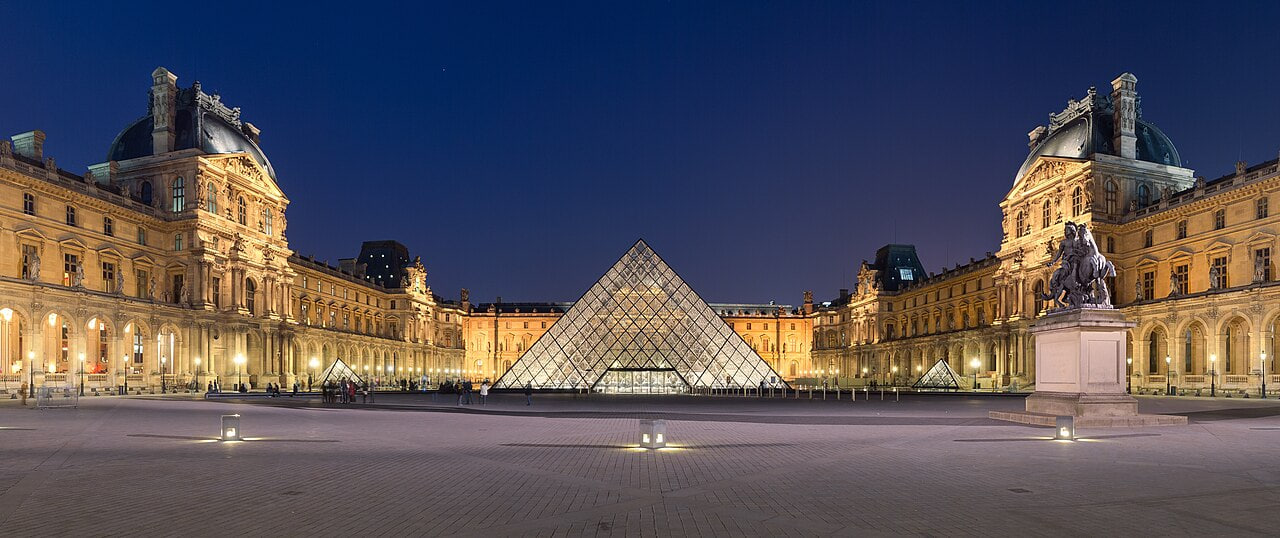
In the final stretch of his presidency, Emmanuel Macron has moved to secure what is widely seen as the third major cultural cornerstone of his tenure: the sweeping modernisation of the Louvre Museum. Following the high-profile reconstruction of Notre-Dame Cathedral and the restoration of the Château de Villers-Cotterêts, the overhaul of the world’s most visited museum now stands as both a cultural imperative and a political marker.
The decision comes amid a convergence of crises — a spectacular jewel heist, mounting security failures, structural deterioration, labour unrest, and renewed scrutiny over governance at the iconic Paris institution.
A Heist That Shook the Institution
On 19 October 2025, four suspects used a stolen vehicle-mounted mechanical lift to access the Louvre via a balcony overlooking the River Seine. The thieves breached the Galerie d’Apollon, home to France’s 19th-century crown jewels.
Although the main suspects have since been arrested, eight pieces of jewellery — valued at an estimated €88 million — remain unrecovered. Among them is a diamond and emerald necklace gifted by Napoleon Bonaparte to his wife.
Days after the raid, then-director Laurence des Cars acknowledged that the museum’s perimeter CCTV system was “ageing” and insufficient. Notably, the only camera monitoring the exterior wall where the thieves broke in was pointed away from the balcony that led into the gallery.
One of the most symbolic objects targeted was the diamond-studded crown of Empress Eugénie. Dropped during the suspects’ escape, the crown sustained visible damage but was described by the museum as “nearly intact” and fully restorable.
A parliamentary inquiry into what lawmakers have described in preliminary findings as “systemic failures” is ongoing, with a final report expected in May. The incident also reignited criticism over years of underinvestment in security infrastructure despite annual visitor numbers exceeding 8.7 million in 2024 alone.
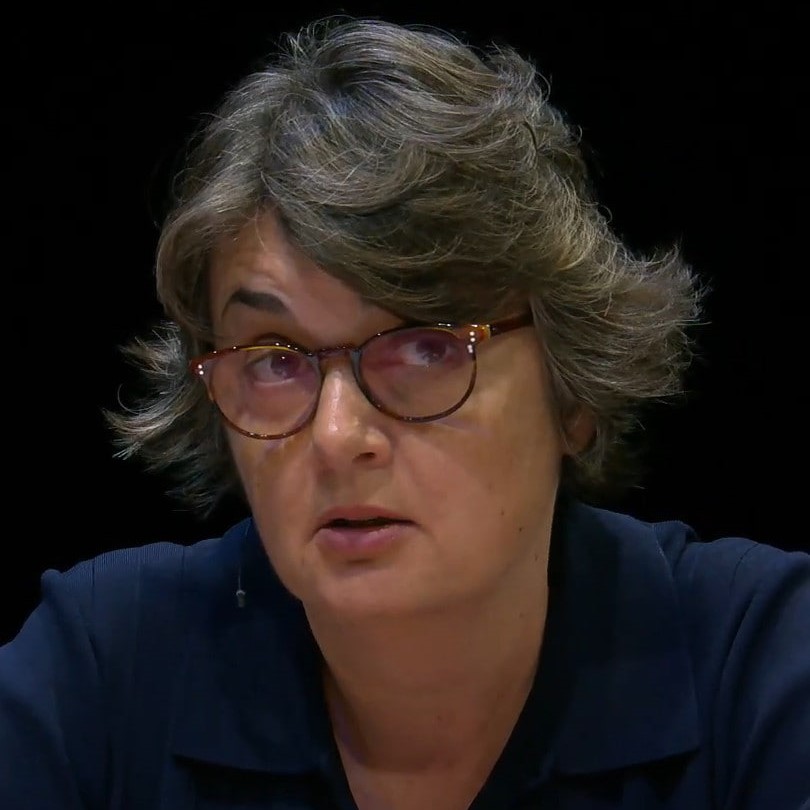
Under mounting pressure, des Cars formally submitted her resignation on 24 February 2026. The Élysée Palace accepted it, calling the decision “responsible” at a time when the museum requires “calm and renewed momentum” to carry out major security and modernisation projects.
Christophe Leribault: A Stabilising Appointment
The government swiftly appointed Christophe Leribault, formerly director of the Palace of Versailles, to lead the Louvre through its next phase.
France’s Ministry of Culture stated that Leribault’s priorities will include strengthening the safety and security of the building, its collections, and visitors, restoring public trust, and advancing the structural and institutional transformations required.
At Versailles, Leribault oversaw complex restoration campaigns, including fire-safety compliance and climate-control upgrades in the palace’s central core — a five-year project involving phased closures. Observers note that similar large-scale works are now inevitable at the Louvre, where ageing infrastructure poses increasing conservation risks.
Structural Strain Beneath Record Crowds
The Louvre’s challenges extend beyond security. Internal communications previously revealed concerns about water leaks, temperature fluctuations threatening artworks, insufficient visitor facilities, outdated signage, and physical exhaustion associated with navigating overcrowded galleries.
Originally designed for far fewer visitors, the museum now hosts more than double its intended capacity. Labour strikes in recent months — focused on wages and working conditions — have led to temporary gallery closures since early 2025.
The French government estimates the “Louvre Renaissance” modernisation programme will cost between €700 million and €800 million over ten years. Officials insist that only a small portion will be financed by taxpayers. Approximately €20 million per year is expected to be generated through increased ticket prices for non-European visitors, now set at €32 — a 45% rise.
Upon completion, the museum aims to increase its annual capacity to 12 million visitors while improving safety standards, conservation conditions, and overall visitor experience.
Cultural Policy and Political Legacy
For President Macron, the Louvre project carries symbolic weight. The rapid reconstruction of Notre-Dame after the devastating 2019 fire and the cultural reinvention of Villers-Cotterêts were framed as affirmations of France’s heritage leadership. Securing the Louvre’s future may serve as the final pillar of that legacy — and potentially a platform for a political return in 2032.
Yet the real test lies ahead. Restoring public confidence, modernising surveillance systems, upgrading climate control and fire safety, managing budget constraints, and maintaining access to masterpieces — including Leonardo da Vinci’s Mona Lisa — will require careful balance.
If successfully executed, the Louvre’s transformation could redefine how major global museums adapt to the demands of the 21st century: safeguarding heritage while meeting the realities of mass tourism, security threats, and environmental responsibility.