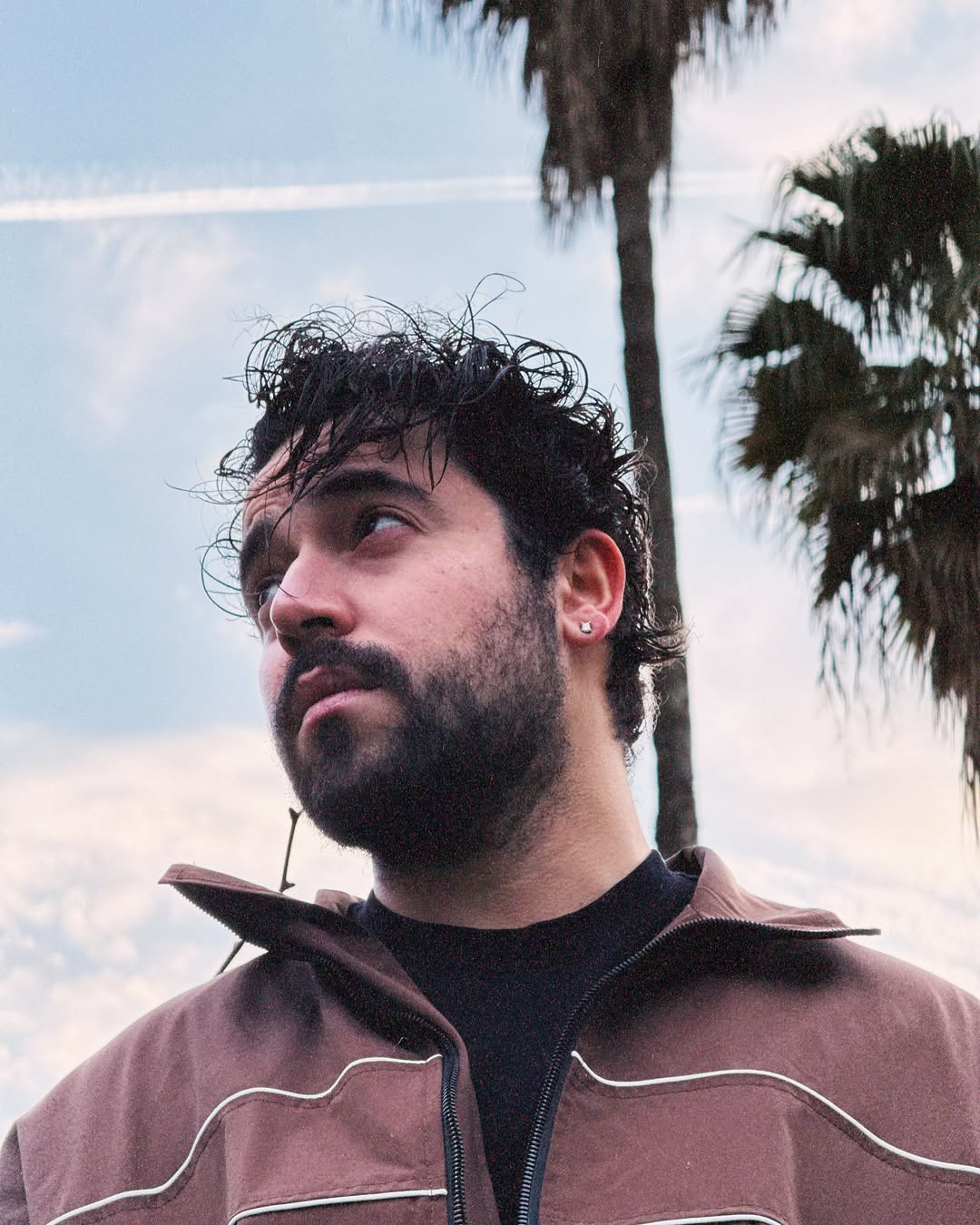
The announcement that Iranian singer-songwriter Shervin Hajipour has received official authorization to release his first studio album, Vaghe’i (“Real”), has reopened one of the most polarized cultural debates in Iran. Hajipour, whose 2022 protest anthem “Baraye…” became an international symbol of the “Woman, Life, Freedom” movement and later won the Grammy Award for Best Song for Social Change, is returning to Iran’s formal music industry after years of bans, legal pressures, and professional restrictions. His return has divided audiences sharply, prompting nationwide conversations about the boundaries between resistance, survival, and artistic practice under political strain.
The Ministry of Culture and Islamic Guidance approved Vaghe’i on 11 Azar 1404 (1 December 2025). The album, produced and distributed by Arad Cultural and Artistic Institute, gathers pieces composed over the past three years but withheld due to legal and security pressures. Pre-sale numbers reported by Iranian media indicate strong public demand. In a message posted on X, Hajipour thanked listeners for buying the album legally, saying such support helps him “remain real” in his artistic path.
The licensing announcement immediately triggered intense reactions across Iranian social media. Critics aligned with opposition circles accused Hajipour of compromise, calling the move a “surrender” of the symbolic power he gained with “Baraye…”. Some argued he should have released the album independently on global platforms, claiming such an act would have carried greater historical value. Filmmaker Hedieh Kimiaei wrote that Hajipour was “voluntarily surrendering the stature he gained from a protest anthem.”
At the same time, hardline supporters of the Islamic Republic attacked Hajipour from the opposite direction, accusing him of “insulting the country” with “Baraye…” and suggesting his return to the official music scene was an attempt to rehabilitate his image. As a result, Hajipour found himself under assault from both sides of Iran’s deeply divided public sphere.
Supporters, however, have defended his choice. Hossein Yazdi, journalist and former political prisoner, described the online attacks as “the lynching of the trivial-minded,” arguing that some critics expect artists to “remain silent or die.” Documentary filmmaker and women’s rights advocate Mojgan Ilanlou, who has herself faced bans from working, said that forcing a young artist to sacrifice his livelihood is unreasonable. “A doctor needs a license to work; a singer needs one too,” she said, emphasizing that a newcomer already punished for his art cannot be held to the same expectations as veteran artists who choose confrontation.
Hajipour responded directly to the accusations with a message that drew wide attention. “After three years of bans and unemployment, I finally managed to release my album. I don’t want to leave Iran; I want to work. How can people be so cruel and accuse someone of anything just for an impression? May I die if I have ever betrayed anyone.” His remarks came shortly after he publicly revealed new restrictions on his daily life, including denial of entry to sports clubs, concerts, and difficulties renting an apartment.
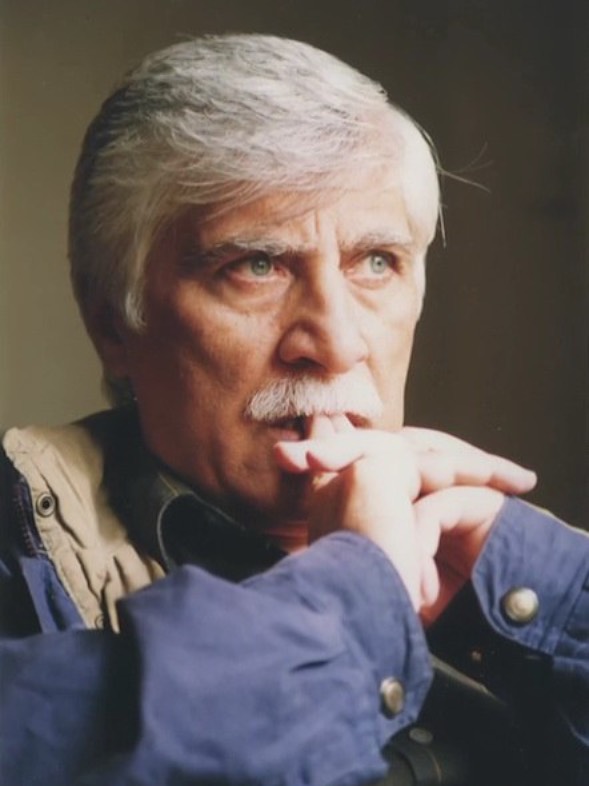
Reactions from established artists have been mixed. Composer Siavash Kamkar criticized the licensing system as “ideological and gender-based,” stating he would no longer seek any official permits for his own work. Addressing Hajipour directly, he wrote that if Hajipour were a woman, he would not receive a license at all, and even his social media accounts would likely be closed. Others chose a neutral or cautious stance, noting that the situation reflects a broader dilemma for many artists navigating between societal expectations and institutional constraints.
Hajipour’s path from “Baraye…” to Vaghe’i has been marked by repeated confrontations with state authorities. “Baraye…,” composed from tweets posted by Iranian protesters, went viral in September 2022 and garnered more than 40 million views on Instagram within three days. The song became a widely chanted anthem inside and outside Iran, later earning the Grammy Award for Best Song for Social Change. TIME magazine named Hajipour one of the 100 Most Influential People of 2023. Following the song’s release, he was detained by intelligence authorities in Sari, later sentenced to more than three years in prison for “inciting unrest” and “propaganda against the state.” He announced in October 2024 that his sentence had been suspended. In late 2024, he again faced questioning after releasing “Ashghâl,” a politically charged single that reached 1.5 million likes and 30 million views within its first 24 hours on Instagram.
Several factors have amplified the intensity of public reaction to Vaghe’i: Hajipour is no longer seen solely as a musician but as a political symbol; every artistic act in Iran is interpreted through a political lens; society is increasingly polarized; and economic hardship, mass migration, and public frustration heighten expectations toward cultural figures. Social media dynamics further accelerate division, leaving little room for nuance.
In an editorial titled “Dual Suffocation,” the reformist daily Ham-Mihan argued that when a license is issued, “both opposing sides erupt in outrage—those inside the country who have long resisted these young talents, and those outside who see only two poles and deny any middle path.” The paper urged readers to avoid both hero-making and villain-making, noting that the artistic landscape in Iran is far more complicated than simple binaries allow.
With the album yet to be released, the controversy surrounding Shervin Hajipour has already become a revealing moment for Iran’s cultural scene. It raises fundamental questions: What is the cost of staying? What is the cost of leaving? Can an artist work within the system without being accused of surrender? Can resistance coexist with professional survival? When Vaghe’i is finally made public, attention may shift from political speculation to the music itself. Until then, Hajipour remains at the center of a national conversation far larger than a single album release.